
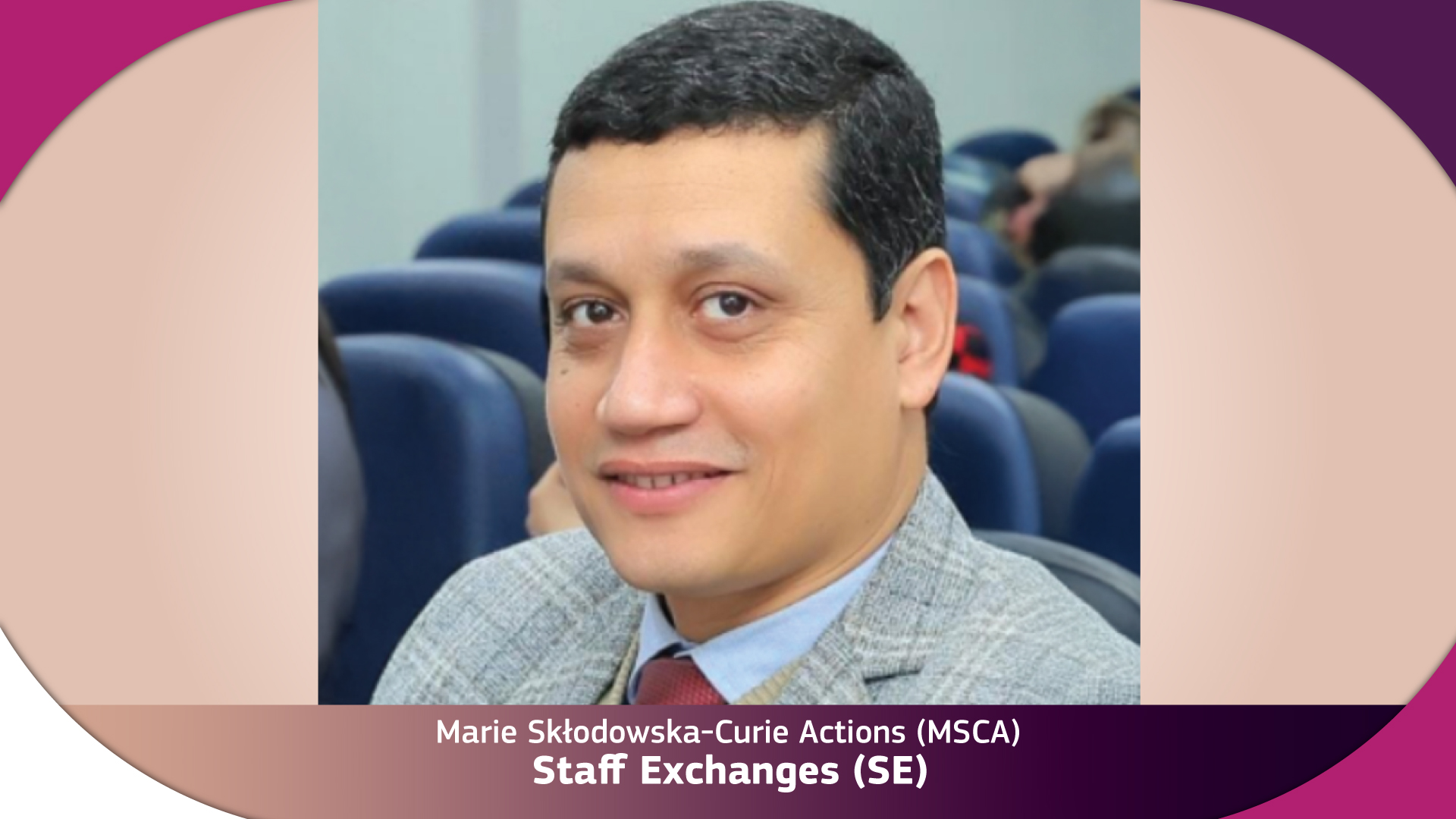
“My MSCA project has broadened my research opportunities, strengthened international collaborations, and enabled the creation of sustainable scientific networks. It has significantly enhanced excellence in my field while providing a unique platform for interdisciplinary exchange, mobility, and impactful knowledge transfer.”
FarmEVs
A greener and healthier future for both plant and human well-being
Agriculture’s sustainability challenges are reaching critical levels, calling for innovative eco-friendly solutions. Extracellular vesicles, tiny structures released by living cells, have long been known for their pivotal roles in cellular communication. Now, researchers are exploring plant-derived vesicles as a game-changing alternative to those from mammalian cells. With the support of Marie Skłodowska-Curie Actions, the FarmEVs project will harness plant-derived vesicles to revolutionise sustainable agriculture, creating a greener, healthier future for all. It will establish a large-scale, vegetable-based system for vesicle production by harnessing organically grown crops. These plant-derived vesicles are set to revolutionise sustainable agriculture, thanks to the collaborative efforts of an international consortium comprising eight partners from six countries.

Leave a Reply